


Making sense of the competitive landscape

Before deciding what to build or even how to position it, you need a clear view of how the problem is being solved today, who customers are already turning to, and where those solutions leave gaps. This understanding can move you forward, focusing your effort on where it can create the most impact.
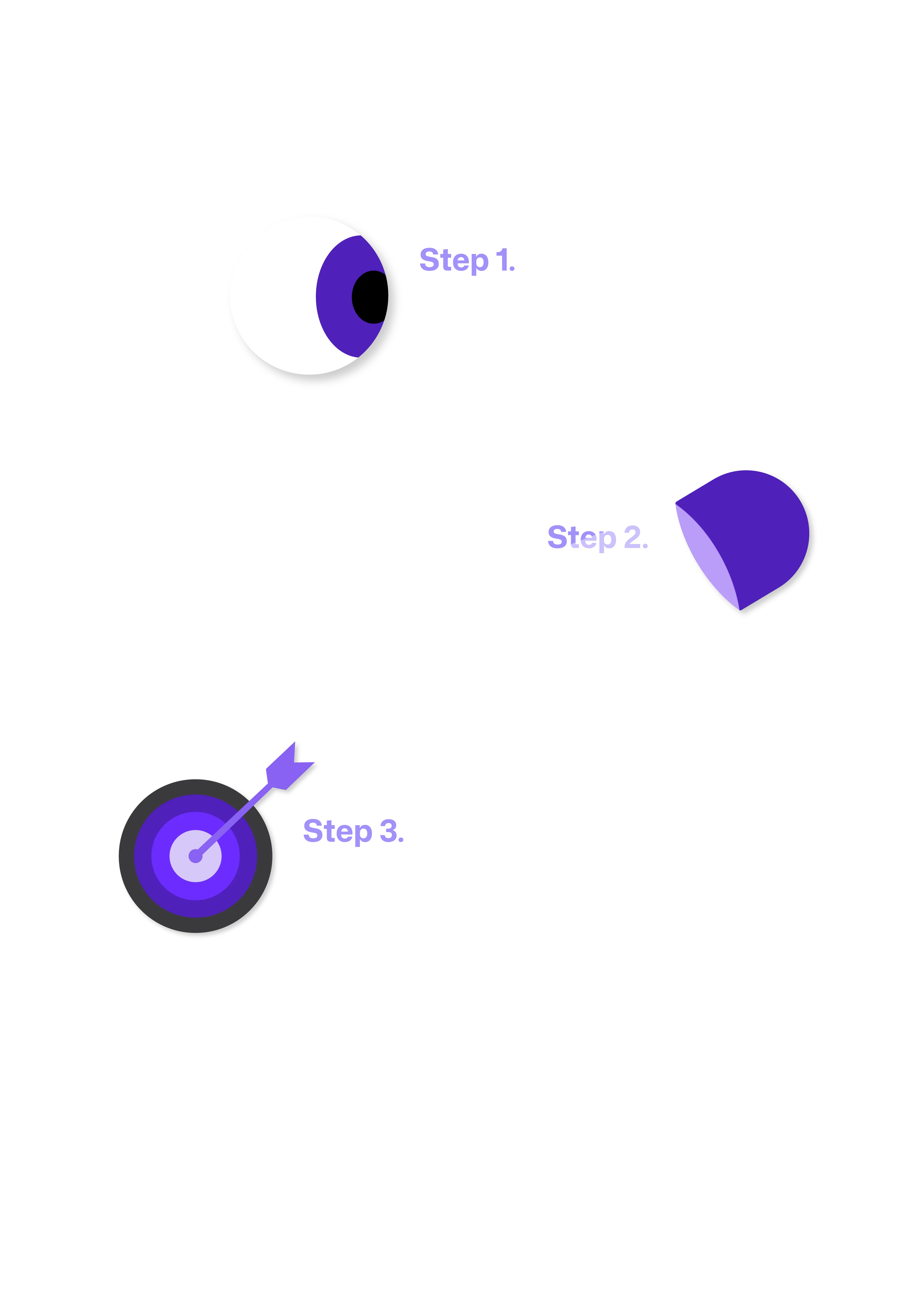
Competition can feel overwhelming, especially in crowded or established industries. The Mayfly approach is designed to cut through that noise - giving you a clear, practical view of where you’re really competing and where opportunity exists. In 3 steps.
It's clarity before competition.
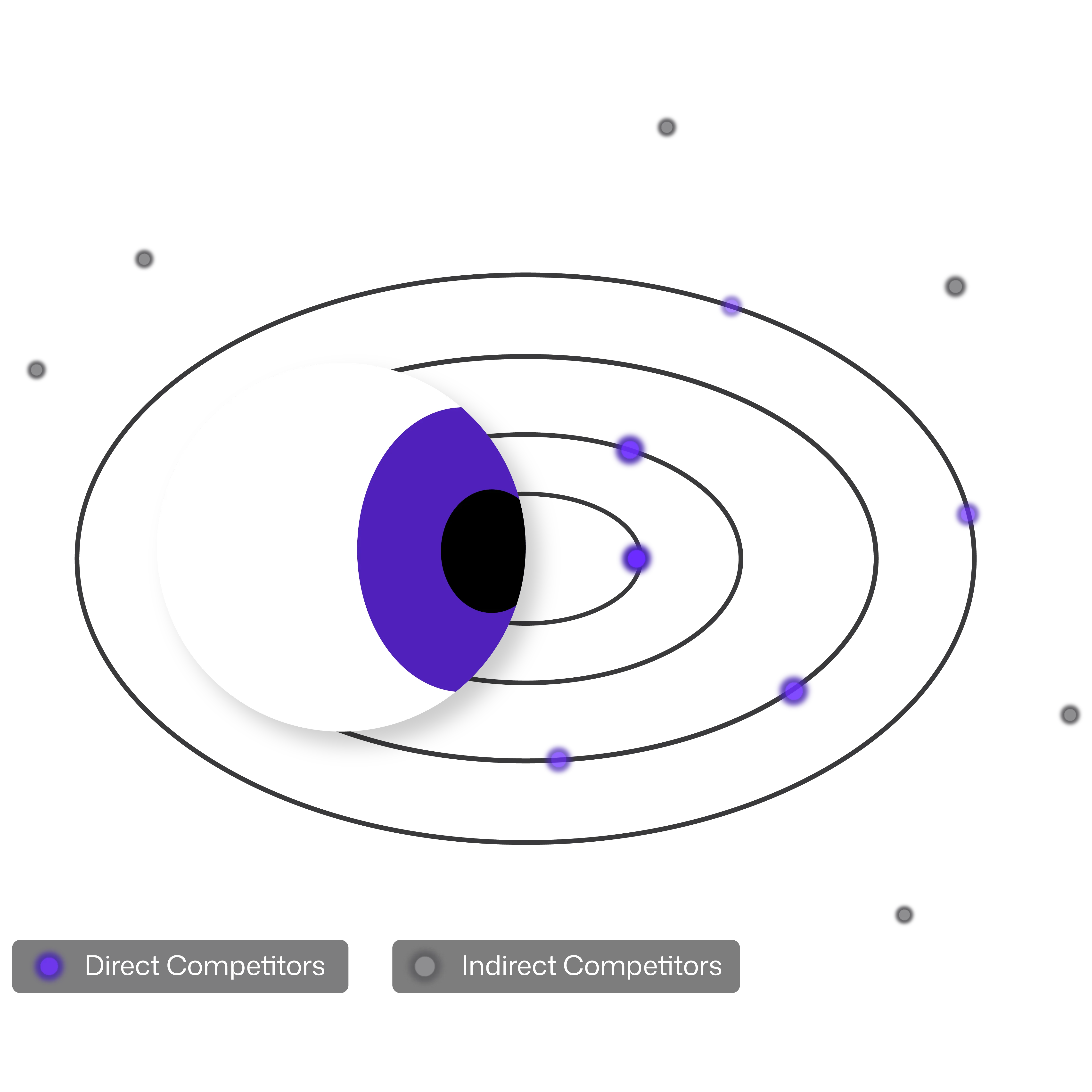
We begin with a broad view of how the problem/ process is currently being addressed.
This includes both direct competitors and indirect competitors, because customers don’t compare your product only to similar software, they compare it to every possible alternative.
The alternatives solution can be a manual process or fragmented tools stitched together.
In many industries, these indirect competitors represent the true status quo you’re competing against
We combine your industry knowledge with further stakeholder and desktop research to analyses the market landscape.
For each competitor, we assess:
- What problems and workflows they prioritise
- Their core strengths
- Where friction, compromise or limitation exists
For direct competitors, we go deeper into:
- Feature and workflow coverage
- Pricing and business model structure
- Adoption levels
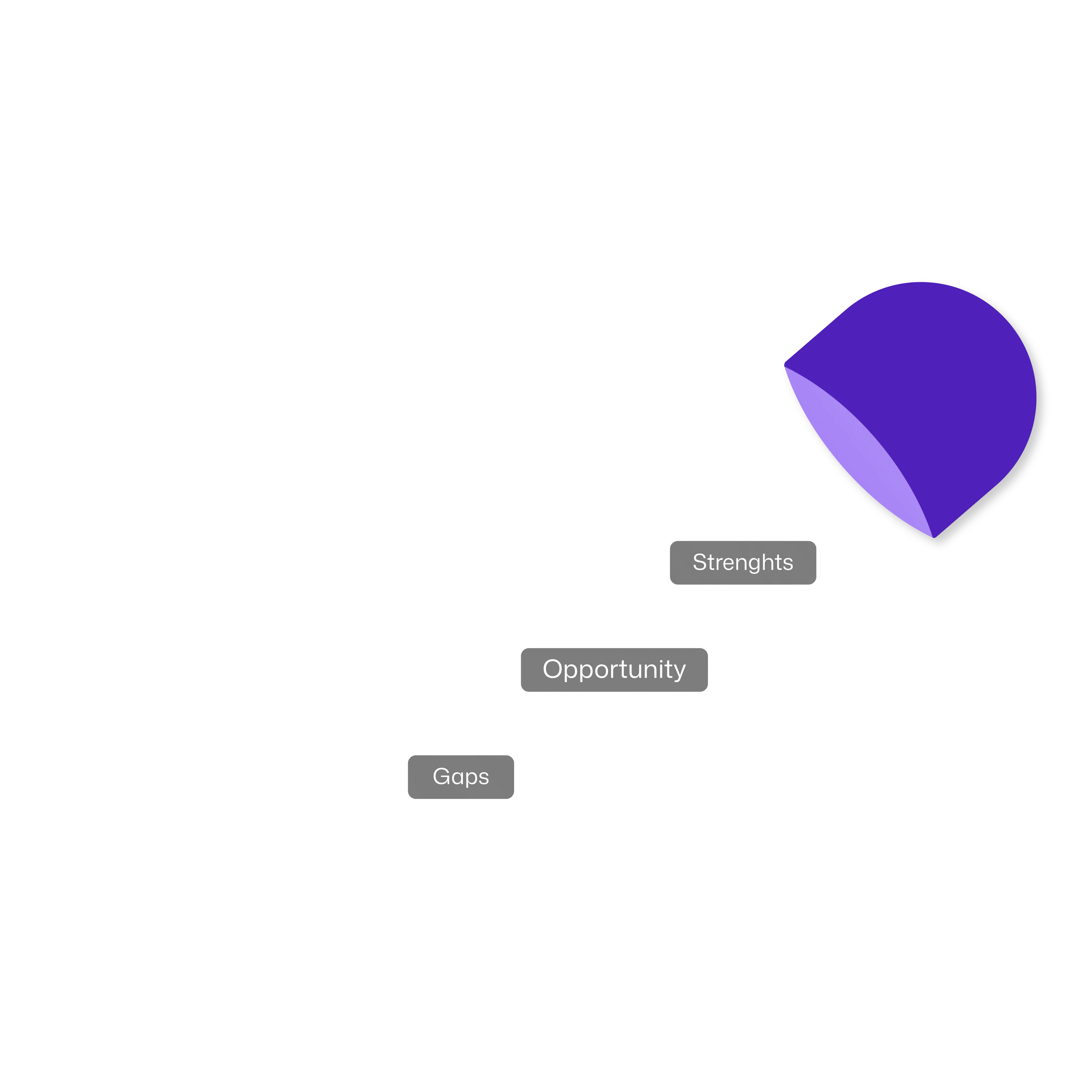
The goal of competition analysis is not to be “better at everything”.
It’s to clearly define:
- Which customer pain points are not being addressed well
- Which compromises customers are currently forced to accept
- Where a more focused, purpose-built solution can win
By deliberately choosing what not to compete on, you create space to deliver disproportionate value where it matters most.
With this clarity, you can define:
- Define the unique value the venture aims to bring
- What the product must deliver exceptionally well
- How the venture should be positioned to convert users



Who we are
We're a Venture Studio, here to turn your AI idea into an industry transforming venture
Mayfly combines product insight, GTM strategy, technical execution and network in one integrated team.
We partner with a select group of ventures, shaping them with care and build them with commercial and technical depth.
Our staged process is designed to reduce risk early, validate what matters and give founders clarity and confidence at every step.

Build your strategic roadmap
Uncover the risks, commercial opportunity and strategy for success so you can build your venture with clarity and confidence.
$15,000
UVP
- UVP Definition
- Customer Discovery
- Problem/ Solution Analysis
- Competition Analysis
GTM
- Phased GTM Roadmap
- Channel discovery
- Funnel Design
- Messaging framework
- Business Model Strategy
Product
- Phased Product Roadmap
- Product Scope and Quote
- Product Hypothesis
- User Journey Mapping
Bring your idea to the table
Book a complimentary strategy session with our team
If you’re an industry expert thinking about how AI could genuinely improve the way things work in your field, we’d love to hear about it.
The first discussion is simply a chance to talk through the opportunity, find some clarity, and see if there’s a fit on both sides. Early ideas are welcome.
FAQs
The competition analysis is a key component of the UVP strategy. Understanding the competitive landscape is crucial for positioning your offering. By identifying competitors, their strengths, and gaps, you can better shape your product, messaging, and positioning to stand out and deliver real value.
The competition analysis is part of the UVP strategy, which sits at the core of Mayfly's Venture Building Engagement. This foundational work helps define the unique value your venture will deliver, ensuring it aligns with market needs and stands out from competitors.
Even if a similar AI platform exists, unique value can come from many sources — feature differentiation, superior user experience, competitive pricing, or exceptional support. If the competitor does not have strong market dominance, your venture can still succeed by executing a stronger GTM strategy.
Identifying market gaps is about understanding the industry's needs and assessing whether there is a product that can offer a strong UVP. Customer surveys, market research, and insights into pain points can help uncover areas where a well-executed AI solution could offer significant value.
Not necessarily. While being first to market can offer advantages, clear positioning, focused value delivery, and disciplined execution often matter more. With the right UVP, a strong go-to-market strategy, and continual product iteration, ventures can effectively compete even with established players.
Existing competitors can signal market validation, showing there is demand for the solution. Ideally, we enter the market with a unique value proposition that can be positioned strongly against the current market landscape. If the market is not saturated, there may be more opportunities to carve out a space and capture significant market share.
New ventures often win by focusing narrowly and delivering a superior user experience in one key area, rather than attempting to replace entire legacy systems. This strategic focus allows for rapid innovation, flexibility, and quicker go-to-market execution.
The competition analysis is part of the UVP strategy, which sits at the core of Mayfly’s Venture Building Engagement. This foundational work helps define the unique value your venture will deliver, ensuring it aligns with market needs and stands out from competitors. Once we’ve defined the UVP, it feeds directly into the Go-To-Market (GTM) and Product strategy, ensuring all elements of the venture are aligned and optimised for success.
The competition analysis is a key component of the Unique Value Proposition (UVP) strategy. The UVP strategy defines the unique value your venture brings to the market, and understanding the competitive landscape is crucial for positioning your offering. By identifying competitors, their strengths, and gaps, you can better shape your product, messaging, and positioning to stand out and deliver real value.
Even if there is a similar AI platform in the market, unique value can come from many sources. Feature/ functionality differentiation is usually the first place to look, but if there’s no unique angle in functionality, value could come from a better user experience, competitive pricing or exceptional support. Additionally, if the competitor doesn’t have strong market dominance, your venture can still succeed by executing a superior GTM strategy and reaching the right customers with more relevant messaging.
Identifying market gaps isn’t just about finding competitors. It’s about understanding the industry’s needs and assessing whether there is a product that can offer a strong unique value proposition (UVP). Customer surveys, market research, and insights into pain points can help uncover areas where a well-executed AI solution could offer significant value. The key is not just finding a gap, but ensuring the market is large enough for your UVP to make an impact.
Not necessarily. While being first to market can offer advantages, clear positioning, focused value delivery, and disciplined execution often matter more. With the right UVP, a strong go-to-market strategy, and continual product iteration, ventures can effectively compete and succeed in markets even with established players.
New ventures often win by focusing narrowly and delivering a superior user experience in one key area, rather than attempting to replace entire legacy systems. By prioritising a focused solution that directly addresses customer pain points, early-stage ventures can often outperform large incumbents in specific verticals or use cases. This strategic focus allows for rapid innovation, flexibility, and quicker go-to-market execution.
Existing competitors can signal market validation, showing there is demand for the solution. However, a saturated market can make it challenging to break through the noise. Ideally, we enter the market with a unique value proposition (UVP) that can be positioned strongly against the current market landscape. Alternatively, if the market is not saturated, there may be more opportunities to carve out a space and capture significant market share.

