

Report writing cut 78%.
25% more clients.
What an AI platform changed in day-to-day clinical work at Virtuosa.
Ventures we've built.

PSYCHOLOGY
Practice management
Virtuosa AI
Built for Australian psychology practices. Replaces fragmented admin workflows with a single AI-driven system.
Live


HEALTH & SPORT
Performance analytics
Runalytics
Running analytics that surfaces meaningful progress data from Apple Health, built for serious amateur athletes.
Building

LOGISTICS
LOGISTICS COMPLIANCE
DGC
A world-first platform that turned a 24-hour manual process into a 4-hour automated task.
Live
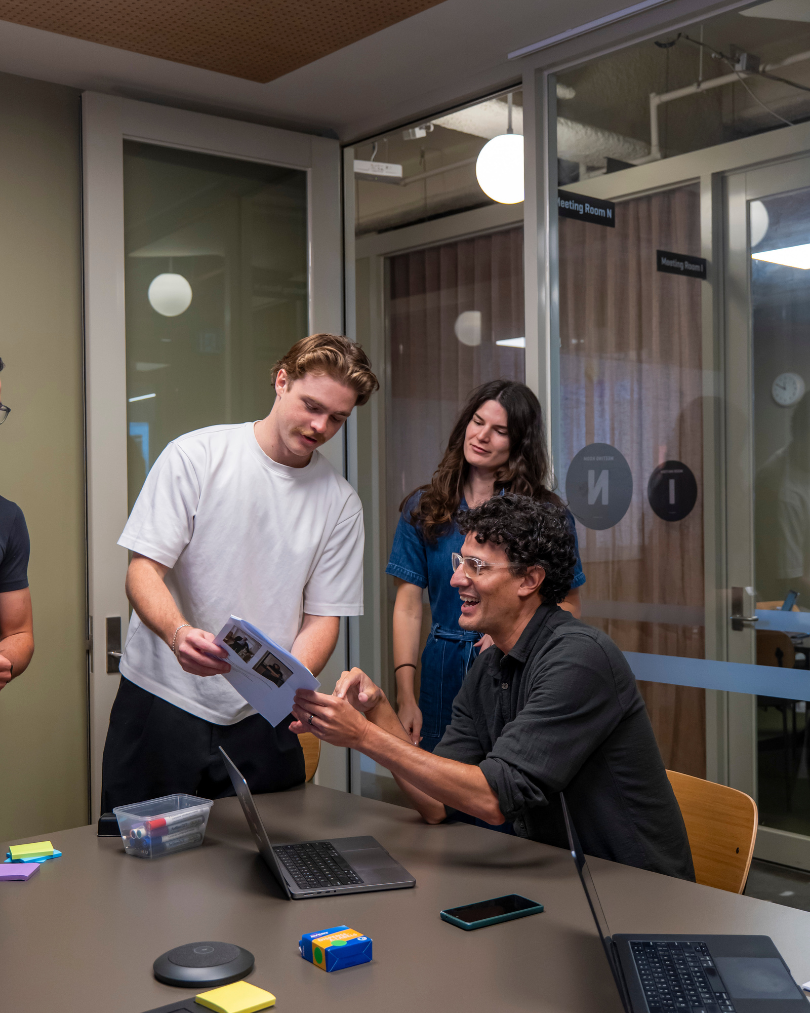
Design, product, and engineering. One team.
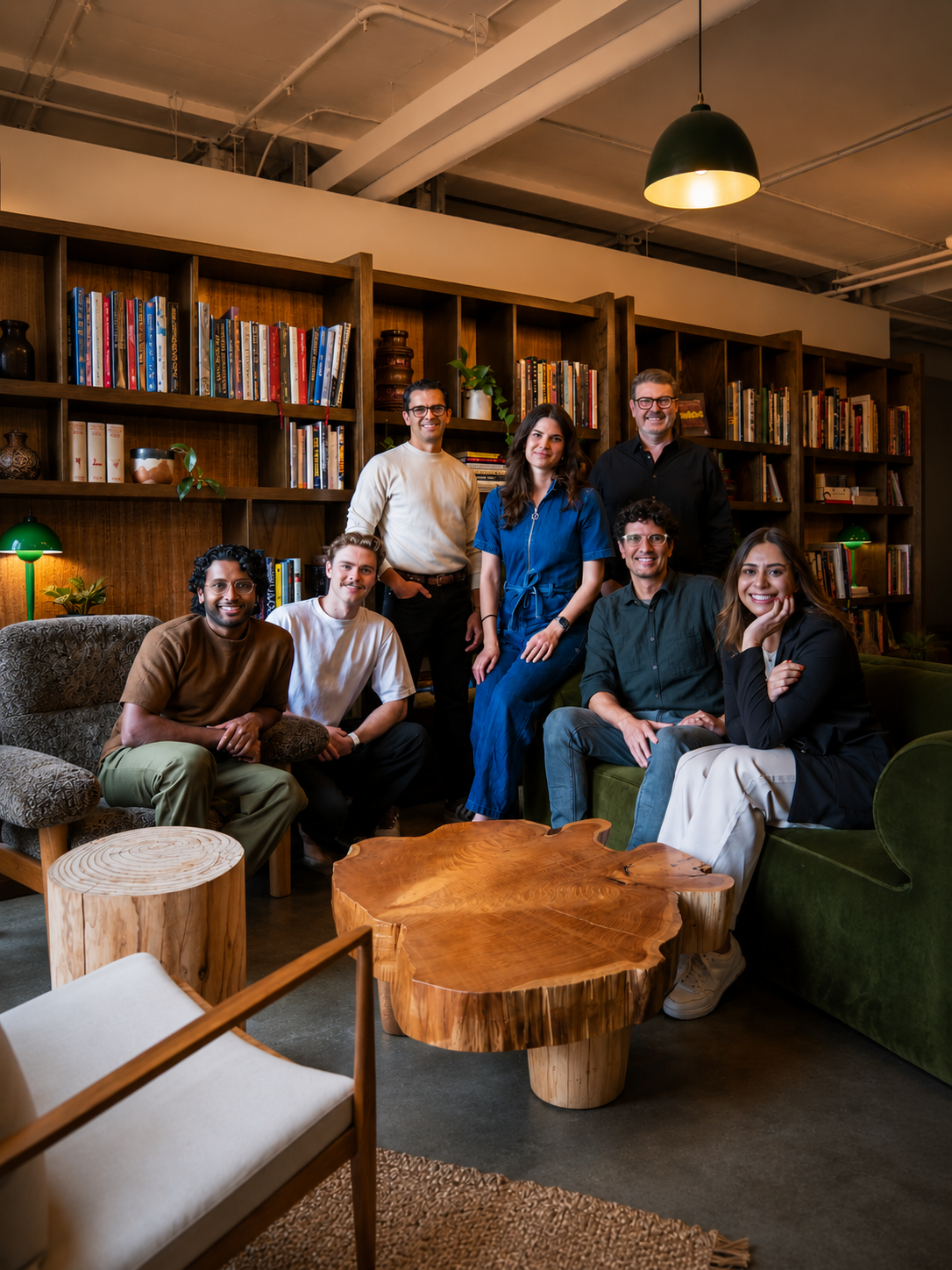
Mayfly is an Australian
AI venture studio.
Clarity at every step. No guesswork, no hidden moves.
01
Validate
find the demand

Test the buyer, the willingness to pay, and the channels you'll reach them through — before building anything.
Validate your idea →02
Build
design the funnel

Translate validation into a working funnel: messaging, pricing, positioning, and the conversion path to revenue.
Create your funnel→03
Strategy
compound the channels

Double down on the channels that show signal. Build a repeatable acquisition engine that compounds over time.
Choose the right channels →The venture studio
advantage.
SOFTWARE DEV AGENCY
Optimised for volume
Development only
All costs covered by you
Short-term engagement
Builds what you specify. Doesn't validate what you should build.
MAYFLY VENTURES

Select high-potential ventures
Strategy and dev in one team
Costs shared with Mayfly
Partnered from idea to scale
Our model is made for ventures where depth, ownership, and long-term outcomes matter.
01
What makes Mayfly different from a software agency?

01
How selective are you about the ventures you take on?
01
What industries do you work in?
01
How much experience does the team have?
01
Who will I be working with?
01
Where is your team based?
01
What is Mayfly Ventures?
01
What makes Mayfly different from a software agency?
01
How selective are you about the ventures you take on?
01
What industries do you work in?
01
How much experience does the team have?
01
Who will I be working with?
01
Where is your team based?
01
What is Mayfly Ventures?
01
What does Mayfly look for in a partner?