


Our Product Roadmapping Process

.png)
Product roadmapping stems from your Unique Value Proposition. Once the value your venture intends to deliver is clear, the roadmap ensures that value is built in a deliberate, staged way.
A strong roadmap isn’t a list of features. It’s a structured plan that prioritises what matters most, reduces technical uncertainty early and stages development in alignment with growth and traction.
A well-structured roadmap keeps development focused on delivering core value first, while creating space to expand as traction builds.
We begin by identifying every feature and capability required to fully deliver on the Unique Value Proposition.
This includes the core workflow, supporting tools, user experience components, and system architecture needed to make the solution genuinely effective. At this stage, the focus is completeness, ensuring nothing critical to delivering value is missed.

Once defined, features are prioritised.
Must-haves become Phase 1 — the minimum required to launch and deliver the core value effectively. Nice-to-haves become Phase 2 — enhancements introduced once traction, feedback, and real-world usage provide greater clarity.
This staged approach keeps early development focused, capital-efficient, and aligned with what truly drives adoption.
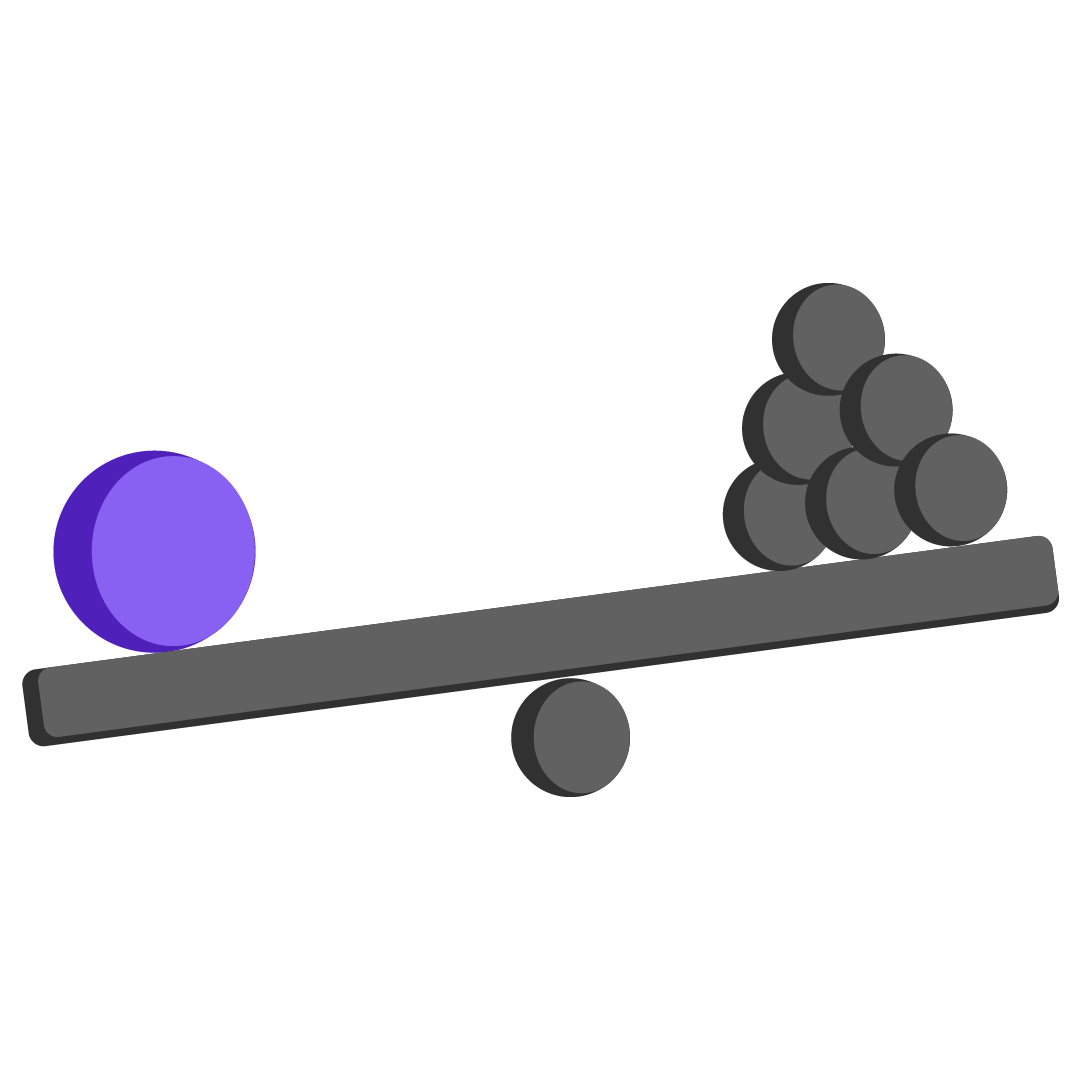
Within Phase 1, the most technically complex and uncertain components are isolated as proof of concepts.
These are often the hardest parts of the build, typically involving AI workflows or multi-agent systems that power the core intelligence of the platform. By validating these first, feasibility risk is reduced as early as possible.
It’s similar to building the engine before the body of a car. If the engine performs as required, the rest of the build becomes a much lower risk.

Finally, the roadmap is structured into clear stages, typically including:
- One or two proof of concepts
- Phase 1 core launch features
- Phase 2 value-enhancing features
Each stage is sequenced logically and supported by time and cost estimates. This provides clarity for founders, development teams, and investors to ensure progress is deliberate rather than reactive.



Who we are
Your strategic partner from day one
Mayfly helps you turn your AI idea into an industry-transforming venture.
As a venture studio, we bring product insight, go-to-market strategy, technical execution, and network into one integrated team, with shared ownership from the start.
We partner closely with a select group of ventures, validating what matters, reducing risk early, and giving founders clarity and confidence at every stage.

Build your strategic roadmap
Uncover the risks, commercial opportunity and strategy for success so you can build your venture with clarity and confidence.
$15,000
UVP
- UVP Definition
- Customer Discovery
- Problem/ Solution Analysis
- Competition Analysis
GTM
- Phased GTM Roadmap
- Channel discovery
- Funnel Design
- Messaging framework
- Business Model Strategy
Product
- Phased Product Roadmap
- Product Scope and Quote
- Product Hypothesis
- User Journey Mapping
Bring your idea to the table
Book a complimentary strategy session with our team
If you’re an industry expert thinking about how AI could genuinely improve the way things work in your field, we’d love to hear about it.
The first discussion is simply a chance to talk through the opportunity, find some clarity, and see if there’s a fit on both sides. Early ideas are welcome.
FAQs
Once the product is live, we continuously gather insights from customer interactions, support channels, and user surveys. This feedback is then used to adjust the roadmap, prioritising features or changes based on actual usage and pain points.
The main output includes a detailed, prioritised roadmap that outlines key product features, milestones, and phases — including product phases (e.g., Proof of Concept, Phase 1 and Phase 2) and time and cost estimates for each phase.
We take a collaborative approach, involving you at every step. We begin with structured workshops to understand the industry, key challenges, and product objectives. The roadmap is designed to be discussed and challenged — particularly by you as the industry expert — before execution.
The first phase typically includes core features that validate the core functionality of the AI platform, often starting with the proof of concept (PoC). The goal of phase one is to reduce technical uncertainty, get initial user feedback, and start building traction.
Before running a product workshop, we first define the venture's UVP. This gives us clarity on who the customer is, what problem we're solving, and what the product needs to achieve to deliver genuine value. We then shape a product roadmap that delivers on the UVP.
Absolutely. As your product evolves and you gain insights from real-world customer feedback and market signals, we can help you pivot or adjust the product roadmap to ensure the product always aligns with what the market needs.
At Mayfly, we work closely with you to define a structured product roadmap that aligns with your UVP and GTM strategy. We prioritise key milestones such as proof of concept, early-stage validation, and scaling opportunities, ensuring the roadmap evolves alongside market feedback and product development.

