
ClickCease

Designing a tech stack that performs, scales and stays secure

The right foundations today. The risk reduced tomorrow.

Design AI tech stacks that support reliability, scalability, and long-term evolution, without creating unnecessary complexity.

Button Text

A tech stack isn’t just a collection of tools. It’s the foundation your AI venture is built on. The right architecture ensures your platform performs reliably, protects data, scales as usage grows, and remains cost-effective over time.

Our Tech Stack Design Process
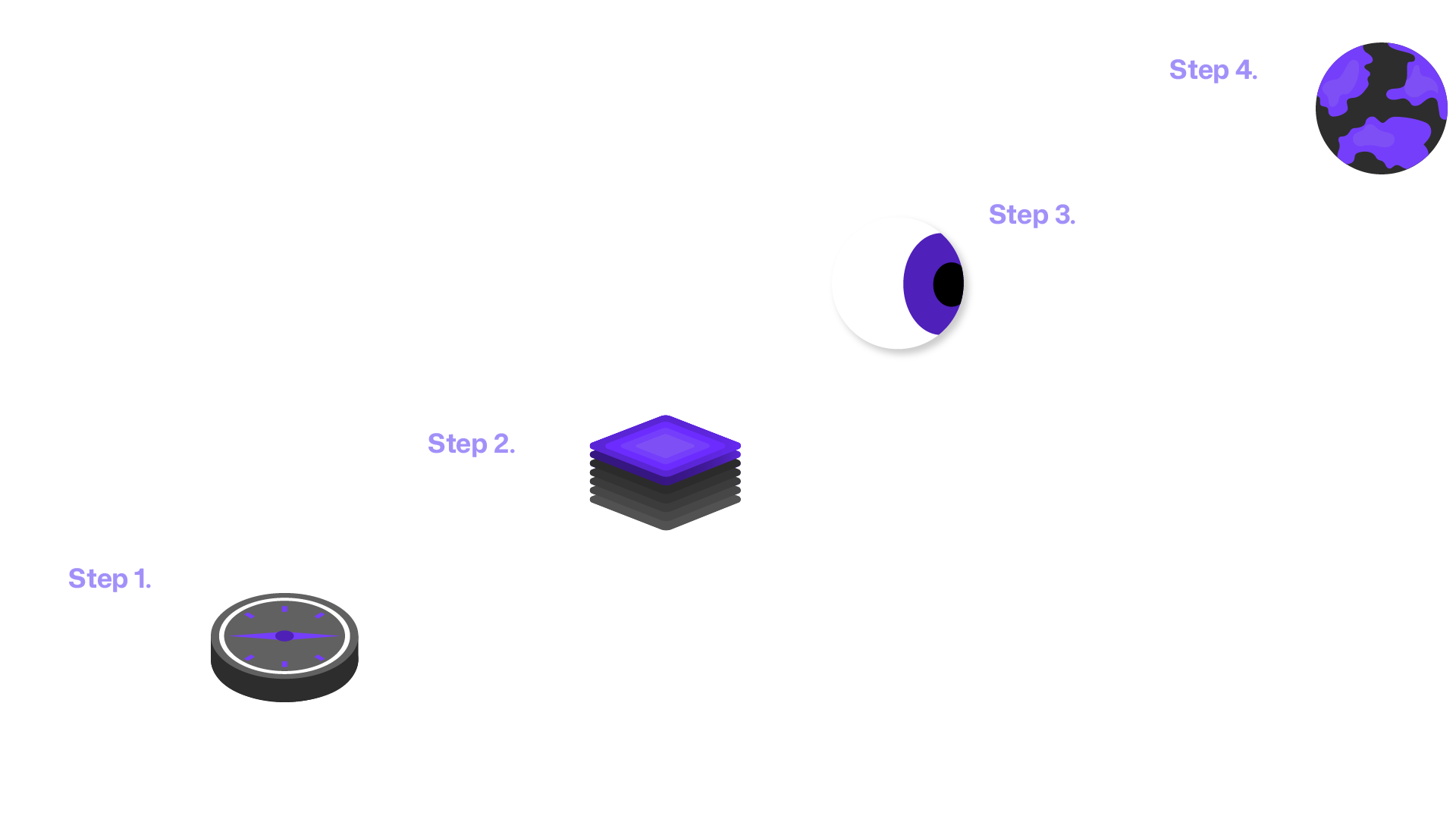
Technology should serve the product, not the other way around. Our approach focuses on choosing the right foundations early so your AI platform can evolve without costly rework.

Before selecting any tools, we clarify the core use case.

What workflow is being automated? What decisions is the AI supporting? What outcome must the system reliably produce?

Clear objectives prevent overbuilding and ensure the technology directly supports the value being delivered.

AI systems are only as strong as their data infrastructure.

This means selecting systems that can store, organise and retrieve data efficiently, whether structured records or unstructured documents. If the platform needs to search, retrieve or reason over large bodies of information, the data layer must support that from day one.

Getting the data foundation right ensures performance and accuracy as usage increases.

Once the foundation is in place, the intelligence layer — the AI models and workflows — is designed.

Equally important are the operational systems that monitor performance, manage deployments, and track changes safely. AI platforms require disciplined production management to maintain reliability over time.

This ensures the system not only works initially, but continues working as it evolves.

Finally, the full system is assessed as a whole.

The stack must be able to scale as more users join, protect sensitive data, and adapt as the product grows. Components should work together cleanly so the platform can expand without becoming fragile or overly expensive to maintain.

Remember, the technology decisions made early will determine whether growth feels smooth or painful.


Marco Santiago, CTO, Mayfly Ventures

“We’re still in the early days of industry adoption of vertical AI, which means day-to-day operations still rely on manual processes or traditional, non-AI SaaS. When done well, the value proposition of agentic AI platforms can far exceed these tools. They don’t just replace software, they take on much of the work a human would normally do using that software. That efficiency unlock becomes the foundation of a powerful competitive advantage.”
The wrong tech stack won’t fail immediately, it will fail slowly as you scale. The right foundation gives you performance today and flexibility tomorrow.

Marco Santiago, CTO, Mayfly Ventures

Who we are

Your strategic partner from day one

Mayfly helps you turn your AI idea into an industry-transforming venture.

As a venture studio, we bring product insight, go-to-market strategy, technical execution, and network into one integrated team, with shared ownership from the start.

We partner closely with a select group of ventures, validating what matters, reducing risk early, and giving founders clarity and confidence at every stage.

Bring your idea to the table

Book a complimentary strategy session with our team

If you’re an industry expert thinking about how AI could genuinely improve the way things work in your field, we’d love to hear about it.


The first discussion is simply a chance to talk through the opportunity, find some clarity, and see if there’s a fit on both sides. Early ideas are welcome.

Thank you! Your submission has been received!
Oops! Something went wrong while submitting the form.

FAQs

The competition analysis is a key component of the UVP strategy. Understanding the competitive landscape is crucial for positioning your offering. By identifying competitors, their strengths, and gaps, you can better shape your product, messaging, and positioning to stand out and deliver real value.

The competition analysis is part of the UVP strategy, which sits at the core of Mayfly's Venture Building Engagement. This foundational work helps define the unique value your venture will deliver, ensuring it aligns with market needs and stands out from competitors.

Even if a similar AI platform exists, unique value can come from many sources — feature differentiation, superior user experience, competitive pricing, or exceptional support. If the competitor does not have strong market dominance, your venture can still succeed by executing a stronger GTM strategy.

Identifying market gaps is about understanding the industry's needs and assessing whether there is a product that can offer a strong UVP. Customer surveys, market research, and insights into pain points can help uncover areas where a well-executed AI solution could offer significant value.

Not necessarily. While being first to market can offer advantages, clear positioning, focused value delivery, and disciplined execution often matter more. With the right UVP, a strong go-to-market strategy, and continual product iteration, ventures can effectively compete even with established players.

Existing competitors can signal market validation, showing there is demand for the solution. Ideally, we enter the market with a unique value proposition that can be positioned strongly against the current market landscape. If the market is not saturated, there may be more opportunities to carve out a space and capture significant market share.

New ventures often win by focusing narrowly and delivering a superior user experience in one key area, rather than attempting to replace entire legacy systems. This strategic focus allows for rapid innovation, flexibility, and quicker go-to-market execution.

The competition analysis is part of the UVP strategy, which sits at the core of Mayfly’s Venture Building Engagement. This foundational work helps define the unique value your venture will deliver, ensuring it aligns with market needs and stands out from competitors. Once we’ve defined the UVP, it feeds directly into the Go-To-Market (GTM) and Product strategy, ensuring all elements of the venture are aligned and optimised for success.

The competition analysis is a key component of the Unique Value Proposition (UVP) strategy. The UVP strategy defines the unique value your venture brings to the market, and understanding the competitive landscape is crucial for positioning your offering. By identifying competitors, their strengths, and gaps, you can better shape your product, messaging, and positioning to stand out and deliver real value.

Even if there is a similar AI platform in the market, unique value can come from many sources. Feature/ functionality differentiation is usually the first place to look, but if there’s no unique angle in functionality, value could come from a better user experience, competitive pricing or exceptional support. Additionally, if the competitor doesn’t have strong market dominance, your venture can still succeed by executing a superior GTM strategy and reaching the right customers with more relevant messaging.

Identifying market gaps isn’t just about finding competitors. It’s about understanding the industry’s needs and assessing whether there is a product that can offer a strong unique value proposition (UVP). Customer surveys, market research, and insights into pain points can help uncover areas where a well-executed AI solution could offer significant value. The key is not just finding a gap, but ensuring the market is large enough for your UVP to make an impact.

Not necessarily. While being first to market can offer advantages, clear positioning, focused value delivery, and disciplined execution often matter more. With the right UVP, a strong go-to-market strategy, and continual product iteration, ventures can effectively compete and succeed in markets even with established players.

New ventures often win by focusing narrowly and delivering a superior user experience in one key area, rather than attempting to replace entire legacy systems. By prioritising a focused solution that directly addresses customer pain points, early-stage ventures can often outperform large incumbents in specific verticals or use cases. This strategic focus allows for rapid innovation, flexibility, and quicker go-to-market execution.

Existing competitors can signal market validation, showing there is demand for the solution. However, a saturated market can make it challenging to break through the noise. Ideally, we enter the market with a unique value proposition (UVP) that can be positioned strongly against the current market landscape. Alternatively, if the market is not saturated, there may be more opportunities to carve out a space and capture significant market share.