AI in mining: hazard zones, check-ins and compliance reporting.
For Australian mining and resources operators, AI and connected systems create commercial value where check-ins, hazard-zone visibility, compliance reporting and incident response still depend on paper, radios and disconnected systems. It earns its place where it keeps people safe and the regulator satisfied, not in replacing crews. Where to start, what it takes, and one built example.
Updated 23 October 2026 · Mayfly Ventures, Melbourne
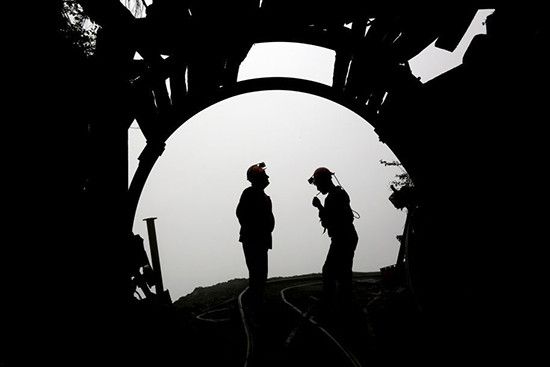
Mine site, shift change · hazard zones
A short conversation
What is costing you the most right now?
Choose what sounds closest to your operation. We will show you where we would look first.
Where we would start
Real-time visibility with privacy-first geofencing.
Alerts reach the right people in seconds when someone is inside a hazard zone, while worker location data stays protected. That is what keeps crews using it.
Built: AtSite, emergency alerts in under ten seconds, pilots across multiple mine sites.
Check-ins, inductions, incidents and inspections pulled into the report the regulator asks for, instead of reconstructed from paper at the end of the month.
Where to start: the last report you sent, and where its numbers came from, in the first stage.
Who is inside a hazard zone, who has been inducted, what the last inspection found: this is where the return is.
The chain of safety work on a site. The marked steps are where paper and radios still carry the risk and where connected systems solve it first.
Real-time visibility of who is inside a hazard zone. Privacy-first geofencing that tells the right people, fast. AtSite delivers an emergency alert to the right people in under ten seconds, without tracking workers all day.
Compliance reporting assembled from the systems already there. Check-ins, inductions, incidents and inspections pulled into the report the regulator asks for, instead of reconstructed from paper at the end of the month.
Automated check-ins. Who is on site, where, and since when, without a clipboard at the gate.
Inspection and maintenance records. Findings captured where they happen, linked to the asset and the action, with the evidence attached.
Contractor inductions and licences. Checked against expiry dates before someone is on site, not discovered during an audit.
02Not firstWhat to leave alone
Three places that cost trust or capital and return neither.
Each is proposed to operators. None of them pays first.
Surveillance of workers. Trust collapses, and so does adoption. AtSite protects location data and sends alerts to the people who need them, which is why crews use it.
Autonomous equipment programmes for a mid-sized operator. That is tier-one capital. The return for most operators is in the safety and compliance work around the people on site.
A dashboard nobody on site opens. If the information does not reach the person who has to act in seconds, the system has not done its job.
03What changedNew rules, tighter oversight
What changed in the rules.
New federal mining rules and Work Health and Safety regulations brought tighter oversight and penalties. Manual check-ins, paper records and disconnected systems could not show, in real time, who was inside a hazard zone.
Operators already know every hazard zone on the site and when it is dangerous. The knowledge was never the problem; proving it in real time, and to the regulator, was.
The rules will change again. A system built to add features as they do, rather than rebuilt each time, is the only one that stays compliant.
04BuiltAtSite
One built example: AtSite.
AtSite is a safety platform for Western Australian mining operations: automated check-ins, compliance reporting and emergency response in one place, built around privacy-first geofencing. The first thing validated was the outcome that mattered most, real-time visibility of who is inside a hazard zone, and reliability was tested in demanding field conditions before any crew relied on it.
Emergency alerts delivered to the right people in under ten seconds, with worker location data protected. Pilot deployments are running across multiple mine sites, on a low-code foundation so features can be added as regulations change.
We help established businesses identify where AI can create commercial value, then bring strategy, design and engineering together to deliver it.
Understand, two weeks. We work with the people who run the work day to day: how the business operates, where the knowledge sits, what systems and data exist, and what result would make the investment worthwhile. You leave with a prioritised opportunity, an initial commercial case and a recommended first move.
Deliver. The same commercial case continues through product definition, design and engineering. Your experts stay involved; the system is tested with real users and implemented into the business.
Evolve. Once it is live, it is improved, rolled out to more teams or extended where the next opportunity appears. See the full process, including timing.
Built for the site.
The safety platform behind the figure above, with worker trust designed in.
Where a person's safety or the regulator's question depends on information that is still on paper or in someone's head: who is inside a hazard zone right now, who has been inducted, what was found at the last inspection. Start with the outcome that matters most and prove it in the field. A two-week first stage ranks the options and puts a commercial case on each.
Can we do this without tracking every worker all day?
Yes, and you should. AtSite uses privacy-first geofencing: it knows when someone is inside a hazard zone and alerts the right people, while protecting worker location data and being transparent about what is collected. That transparency is what makes crews trust and use it.
How fast can an alert reach the right people?
In AtSite, under ten seconds from the event to the people who need to act. Speed was the first thing validated, then reliability in demanding field conditions, before any crew relied on the system.
What happens when the regulations change again?
The system changes with them. AtSite sits on a low-code foundation so features can be added as rules change, rather than the platform being rebuilt. That is a design decision to make at the start, not a feature to buy later.
How long does it take to get something working?
The first stage takes two weeks and ends with a decision. A prototype is one sprint; larger design and build work typically runs across 5 to 12 sprints. Field testing before a crew relies on the system is part of the plan, not an extra.
Do we need our own IT or data team?
No. You need the supervisors and safety people who know the site, because the system is built around what they have to prove. Strategy, design and engineering come from one team on our side, and the result works with the systems you already run.
Bring the check-in, the inspection or the report that still runs on paper.
In a free 30 minute call we will give you an honest view of where AI could create commercial value in your operation, what a sensible first step looks like and whether we are the right fit. No technical brief needed.