AI in logistics: dangerous goods compliance, manifests and proof of delivery.
For Australian freight and logistics operators, AI creates commercial value where compliance, documentation and dispatch still run on paper and phone calls: dangerous goods manifests, consignment checks, proof of delivery, driver and vehicle compliance. It pays in the office and the depot before it pays in the truck. Where to start, what it takes, and one built example.
Updated 23 October 2026 · Mayfly Ventures, Melbourne
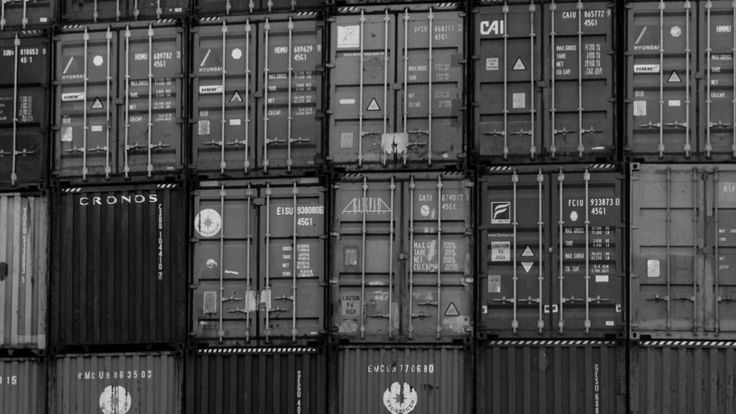
Container yard · the run before it leaves
A short conversation
What is costing you the most right now?
Choose what sounds closest to your operation. We will show you where we would look first.
Where we would start
Encode the rules, validate them against real loads, check every run.
Placards, segregation and manifests checked against the rules for every consignment, with an audit trail, by a system that was validated on your real loads before it was built.
Built: DGC with Xtreme Freight, paperwork per run in under 30 minutes, down from 8 hours, zero errors across 120 tonnes.
Compliance, manifests, proof of delivery and driver documents are where the hours and the liability sit.
The chain of work for an operator. The marked steps are where someone still checks by hand and where AI solves it first.
Dangerous goods compliance. Placards, segregation and manifests checked against the rules for every load, with an audit trail. DGC took compliance paperwork per run from 8 hours to under 30 minutes, with zero paperwork errors across 120 tonnes of dangerous goods in the first pilot.
Consignment and manifest checks. What is on the load, what can travel together and what every document has to show, verified before the truck leaves rather than argued about afterwards.
Proof of delivery and claims. Delivery evidence, photos and signatures matched to the consignment, so a dispute is answered in minutes.
Driver, vehicle and subcontractor compliance. Licences, inductions, maintenance and insurances checked against expiry dates instead of chased by phone.
Customer updates drawn from systems already in place. Status and ETAs taken from the transport management system and telematics you already run, not retyped into emails.
02Not firstWhat to leave alone
Three places the fleet gets sold a future it does not need yet.
Each is real technology. None of them pays first for an operator of this size.
Autonomous anything. The commercial return for an operator turning over 20 to 200 million is in the paperwork around the fleet, not in replacing the fleet.
Route optimisation bought as a platform before the data is clean. The vendors own that market. Their tools assume your addresses, times and loads are already right, and they rarely are.
A customer service chatbot that cannot see the consignment. It answers confidently and wrongly. Connect the data first.
03Why it stallsThe standard in a few heads
Why the standard stops scaling.
In most freight businesses the compliance standard lives in a few people's heads: who cross-checks the run, who knows which placard goes on which load, who catches the mismatch. Growth multiplies the runs; it does not multiply those people.
Moving explosive, flammable and corrosive freight leaves no room for a paperwork error. The cost of one is carried by the operator, and the time spent avoiding it is carried by every run.
Software has usually been tried. Three vendors had tried at Xtreme Freight before DGC. What worked was validating the compliance logic against real consignments first, then building the system around the points where errors actually happen.
04BuiltDGC with Xtreme Freight
One built example: DGC.
DGC is the dangerous goods compliance platform built with Xtreme Freight, a national logistics provider, live since 2023. It turns the compliance knowledge the business had built up moving explosive, flammable and corrosive freight into an operational system that applies the same standard to every load.
Compliance paperwork per run in under 30 minutes, down from 8 hours. Zero paperwork errors across 120 tonnes of dangerous goods in the first pilot. Every consignment tracked end to end, with a full audit trail.
“Mayfly's technical expertise and attention to detail were truly impressive.”Amanda O'Brien, Founder, Xtreme Freight
05How it worksUnderstand · Deliver · Evolve
How it works for an operator.
We help established businesses identify where AI can create commercial value, then bring strategy, design and engineering together to deliver it.
Understand, two weeks. We work with the people who run the work day to day: how the business operates, where the knowledge sits, what systems and data exist, and what result would make the investment worthwhile. You leave with a prioritised opportunity, an initial commercial case and a recommended first move.
Deliver. The same commercial case continues through product definition, design and engineering. Your experts stay involved; the system is tested with real users and implemented into the business.
Evolve. Once it is live, it is improved, rolled out to more teams or extended where the next opportunity appears. See the full process, including timing.
Built for freight.
The compliance platform behind the figures above, validated against real consignments before it was built.
Where does AI pay first in a freight or logistics business?
Where a person still cross-checks by hand and the cost of a mistake is high: dangerous goods compliance, consignment and manifest checks, proof of delivery and claims, driver and vehicle compliance. Pick the one that costs the most hours per run or carries the most liability, and start there. A two-week first stage ranks them and puts a commercial case on each.
Can AI handle dangerous goods compliance?
Yes, when the rules are encoded and validated against real consignments before anything is built, and every run is checked against them with an audit trail. That is what DGC does for Xtreme Freight: compliance paperwork per run in under 30 minutes, down from 8 hours, with zero paperwork errors across 120 tonnes in the first pilot.
Will it replace drivers or dispatchers?
No. It replaces the 8 hours of cross-checking and paper manifests around them. Dispatchers get a system that catches the mismatched load before the truck leaves; drivers get a manifest that is right the first time.
We tried software before and it failed. Why would this be different?
Because the compliance logic is validated first, against real loads, with the people who do the checking today. Three vendors had tried before DGC. The difference was mapping each regulatory step and the points where errors actually happen, then building for those, rather than starting from a product.
How long does it take to get something working?
The first stage takes two weeks and ends with a decision. A prototype is one sprint; larger design and build work typically runs across 5 to 12 sprints. DGC has been live since 2023 and the standard it encodes now applies to every load.
Do we need our own IT or data team?
No. You need the people who know the rules and the loads, because they shape the system. Strategy, design and engineering come from one team on our side, and the result works alongside the transport management and telematics systems you already run.
Bring the run, the manifest or the claim that costs the most.
In a free 30 minute call we will give you an honest view of where AI could create commercial value in your operation, what a sensible first step looks like and whether we are the right fit. No technical brief needed.